| Home |
About |
Methods |
Studies |
Themes |

The
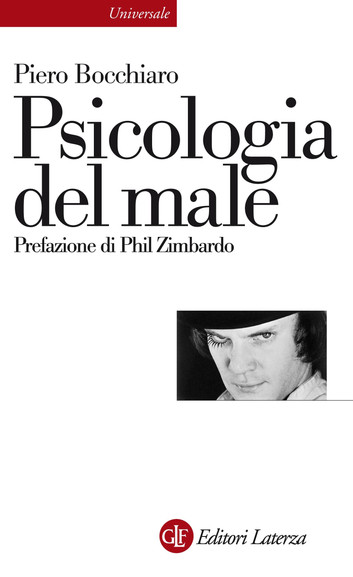
above is an image of the main author of this study, Piero
Bocchiaro. In previous studies, I have used this page to
introduce
the author of the study or talk about their theory. I will do
whatever I can to fill this page up with relevant information.
The first thing to tell you is that Piero is a published author.
One of his books, published in Italian, is called "Psicologia del Male" or "The Psychology
of Evil" to
translate into English. The picture is of Malcom McDowell playing
"Alex" in the film Clockwork Orange. Obviously, an example of
evil.
The other thought that is going around in my head is that is disobedience the opposite side of the coin to obedience? In the two studies that cover this topic, in Milgram's study, following orders was very difficult. There were participants who sweated, shook, repeatedly asking if they should carry on, and two unfortunate participants had epileptiform seizures. So being obedient was not an easy option that you might think it was. In the Bocchiaro study, he mentions that being disobedient or a whistle blower would present difficulties for the participants as they would have to confront the possibility that action might be taken against them, but not as much as faces "whistle blowers" in the real world. Nearly half of all whistle blowers lose their jobs, with the subsequent financial hardship. Many suffer from depression or alcoholism. On the positive side of the equation the whistle blowers and those who disobeyed can console themselves with the idea that they had "done the right thing".
The final thought comes from the final thought in the Bocchiaro study, that the situation in the Milgram and Bocciaro studies are not "normal". You would not normally be in a situation where you give electric shocks to someone you had just met or write a supportive letter for people to volunteer to undergo sensory deprivation. Bocchiaro tried to find a personality trait that would explain who would obey or disobey, but was unsuccessful. But, most people would agree that there must be something different with people who blindly follow orders, or are we just kidding ourselves? You cannot escape the fact that, at the end of the day, we have to take responsibility for our actions.
Click here to read a summary of the Bocchario study.